
IBM's Worst Day in History Maps an IT Career Shift
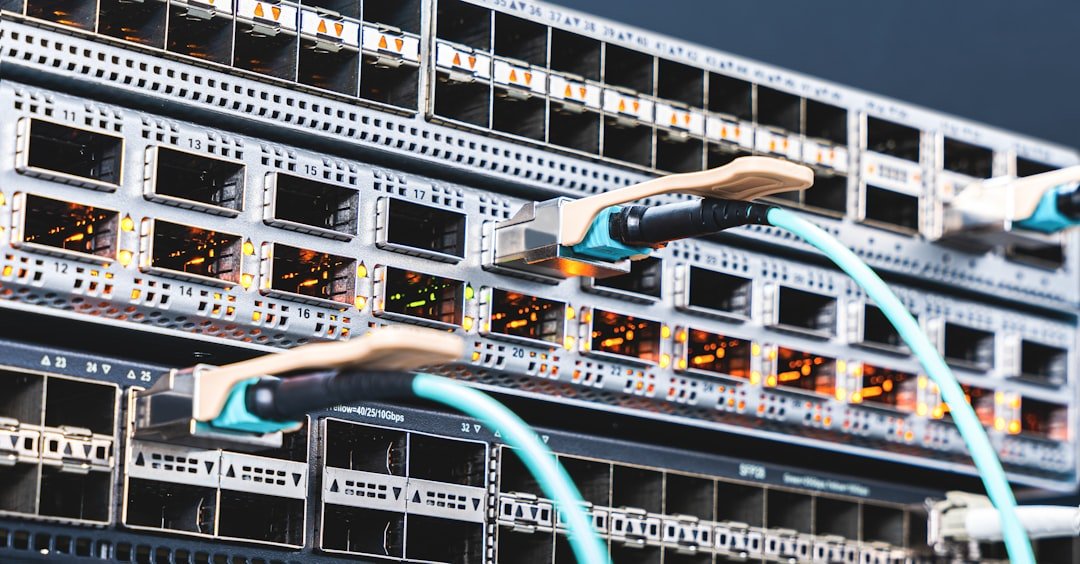
IBM reported $17.2 billion in second-quarter revenue on Tuesday, missing Wall Street expectations and triggering the largest single-day stock decline in the company's history — a drop of roughly 25%. At the center of the miss: a 42% collapse in mainframe business that sent ripples through the entire enterprise-technology sector.
CEO Arvind Krishna pushed back on the most alarming interpretation, telling analysts "we see no evidence of clients moving off the mainframe." His explanation was more structural: enterprise customers redirected budgets toward AI data-center equipment and PCs, both of which have seen price increases of 15 to 30 percent due to memory-cost inflation driven by the AI build-out. Mainframe upgrade cycles were simply deferred, not abandoned, according to Krishna's account.
What the numbers actually say
The quarter puts IBM's software-hardware relationship into sharp relief. According to TechCrunch's reporting on the earnings, IBM generates roughly $3 in software revenue for every $1 of mainframe hardware it sells. That ratio explains why a 42% hardware decline doesn't kill the company — but it does spotlight how tightly IBM's long-term health is tied to keeping those hardware relationships intact.
IBM lowered its full-year growth forecast alongside the earnings release. Whether Krishna's "temporary deferral" framing proves correct depends on whether AI data-center spending crowds out legacy refresh cycles for another quarter or two, or whether enterprise budgets rebalance.
What is clear from the report: the dollars that would have gone toward mainframe upgrades in Q2 went instead toward AI infrastructure — the servers, networking gear, and high-memory compute required for on-premises AI deployment. That shift is not a short-term blip. The components driving those 15 to 30 percent PC and data-center price increases are structural cost pressures tied to AI chip demand.
What this means for job seekers
For IT professionals, IBM's quarter functions less as a company story and more as a budget map. When enterprise spending compresses in one category and expands in another, hiring follows the same path — usually six to 12 months later.
Mainframe administration, legacy COBOL development, and on-premises infrastructure roles face continued headwinds regardless of whether IBM's deferral thesis proves correct. The hiring pressure is already visible in how enterprises are staffing: data-center operations, cloud migration, and AI-infrastructure engineering are where capital is flowing, and workforce investment tends to follow capital.
If your background is in legacy enterprise infrastructure, the reposition isn't to abandon those skills. Mainframe operations experience translates well into hybrid-cloud architecture roles, where enterprises still need people who understand the reliability and throughput requirements mainframes were built to meet. The gap to close is on the AI-infrastructure and cloud-tooling side — understanding how on-prem compute connects to cloud orchestration layers is the connective tissue the market is paying for right now.
Reviewing the broader pattern, the IBM quarter echoes what we have tracked across enterprise hiring signals this year: budgets are not shrinking so much as rotating. Workers who can speak both legacy-reliability and modern AI-infrastructure fluently are positioned in the narrow overlap where enterprise employers are willing to pay a premium. If you are building that bridge, resources like our guide on AI-proof career skills offer a framework for identifying which capabilities transfer and which need active reskilling.
The IBM number is jarring. But for IT professionals with the right read on where the money went, it is more useful as a signal than a scare.
Sources
After shocking quarter, IBM insists that AI isn't killing the mainframe — TechCrunch, accessed 2026-07-23
Related Posts

AI + Careers Briefing — October 16, 2026

AI + Careers Briefing — October 15, 2026