AI + Careers Briefing — November 3, 2026
Today's four stories come at AI from four directions: power stations, funding rounds, a landlord's letting office and an investor's podcast habits. None of them announces hiring numbers. Together they show where AI work is landing. Some of it is physical and regional. Some of it rewards people who know a field well enough to check what the software gets wrong.
Will Brookfield's AI data center at Drax create jobs outside big tech hubs?
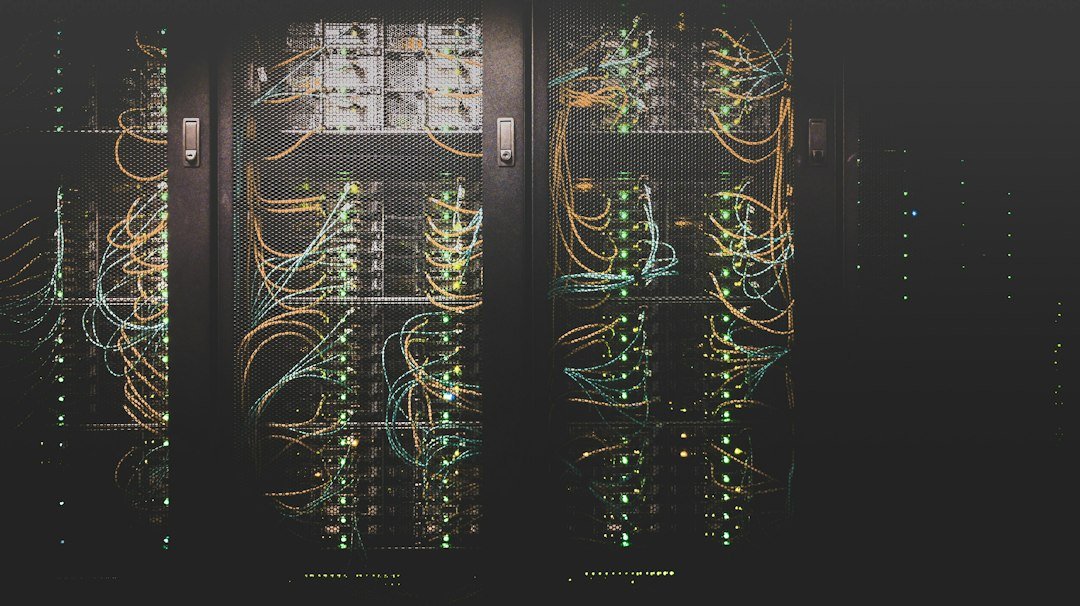
Possibly, but nobody has published a job count yet. Brookfield, its AI infrastructure platform Radiant and Drax Group plan a data center at the Drax Power Station estate in North Yorkshire, England. Brookfield estimates total spending could exceed £20 billion (about $26.8 billion), according to CNBC. The first phase costs £2.5 billion and targets up to 100 megawatts from the first quarter of 2028. A further 500 megawatts is planned for 2028 to 2031, with a longer-term goal of more than 1 gigawatt. Drax shares rose 8.8% in early trading on Tuesday.
The plan is conditional. Drax says phase one depends on planning, regulatory and network approvals, securing a tenant, commercial agreements and final investment decisions by each party. On jobs it speaks only of protecting and creating long-term jobs and opportunities across the regional supply chain. Neither source gives a number of roles.
Why it matters for job seekers: This is a signal, not a hiring wave. There are no confirmed openings until a tenant signs and approvals land. The site was picked because of its existing grid access, which Drax puts at 4 gigawatts. That points to roles around the servers rather than inside software teams, such as electrical and grid work, construction and site operations. That is our inference, not a company commitment. Our guide to skills-based hiring covers how those paths weigh demonstrated ability.
Can nontechnical experts now train AI models?
A well-funded startup is betting they can. Trajectory raised a $45 million Series A at a $300 million valuation, TechCrunch reported on Nov. 2. Sequoia led, with Nvidia, Bessemer Venture Partners and Bain Capital Ventures participating. The 18-person company was founded about a year ago by Stanford classmates Ronak Malde, Michael Elabd and Arjun Karanam. It says its interface lets nontechnical users, such as lawyers and doctors, improve AI models with little engineering help. Harvey and Rogo use it to post-train open-source models for legal and financial work. An earlier AI News Weekly item, citing The Information, put the round at $40 million at the same valuation.
Why it matters for job seekers: This is a funding story about a product category, not proof of a hiring wave. Nothing in the reporting cites a number of jobs. It does show a bet that your judgment about what a good answer looks like in your field is a skill. If you work in law, finance or healthcare, write down the errors you catch and the standards you apply. Then gather examples of AI output you have checked. Our look at the AI skills salary premium covers how employers price that.
How is AI changing property management work at Heimstaden?
The European residential landlord says it now uses OpenAI tools across its home-letting process, while employees stay responsible for reviewing and approving decisions. The figures come from an OpenAI case study dated Nov. 3, so they are the companies' own account, not independent findings. Pricing recommendations come from tools built in ChatGPT Sites. AI handles image styling and apartment descriptions, and an agent reviews live ads against quality standards. In the Netherlands, the cost of a virtually staged image fell from approximately €50 to less than €0.10, Heimstaden says. Julia Erlandsen, a sustainability analyst without a software background, used Codex to help assess 20,112 property assets. Heimstaden estimates that work shrank from five people working for a year to two people working for two months.
Why it matters for job seekers: The case study reports no job cuts. It does show which tasks are shrinking: listing photos and descriptions, rent research, and data cleanup. Entry-level roles built around those tasks are the likeliest to change shape. That is our read. The Erlandsen example is the other signal. A non-engineer owned the method and the validation while the AI did the processing. Our guide to AI-proof career skills covers how to show that on a resume.
Does Garry Tan's $200K token bill mean you need to be an AI power user?
No. Y Combinator CEO Garry Tan says he spends roughly $100,000 to $200,000 a year on AI tokens, but he calls that spending a privilege few people can match, TechCrunch reported. Speaking on Walter Isaacson's podcast The Builders, he said his agent can read his email, Dropbox, Apple Notes and years of therapy notes. YC runs an internal agent called Stray Light with a "company brain" holding context on every founder it has backed. Tan said costs must come down before personal agents go mainstream.
Why it matters for job seekers: This is one executive describing his own habits. It is not a hiring rule, and TechCrunch reports no employer change tied to it. The useful lesson is cheap. Show workflows, not tool names. Be ready to explain where you trust an agent and how you catch its mistakes, and say which data you would never hand to one. One documented project on a free tier beats a big token bill. Our guide to job searching in the AI era has more.
What to watch
- Whether Drax and Brookfield sign a tenant and clear planning approvals for phase one, the milestones that gate any hiring.
- Whether more startups pitch "expert-in-the-loop" AI training, and whether job postings start asking for domain reviewers by name.
- More employer case studies that report headcount effects, not just cost savings.
Related Posts

AI + Careers Briefing — November 2, 2026

AI + Careers Briefing — November 1, 2026