
AI + Careers Briefing — October 5, 2026
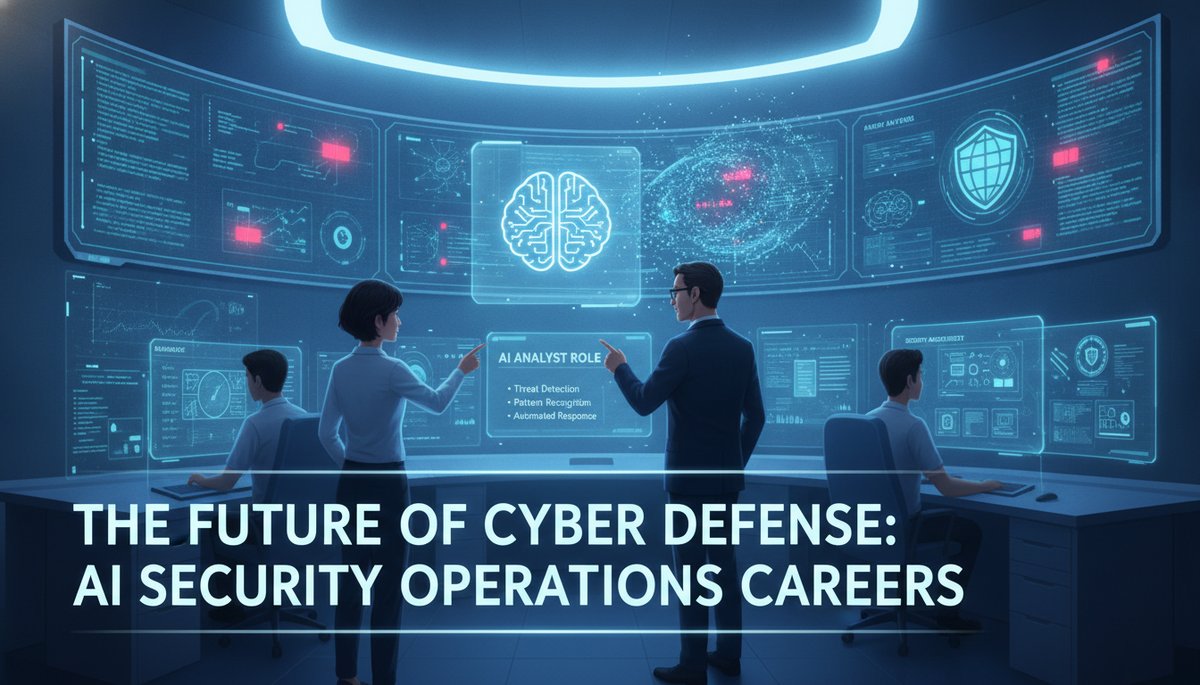
Both of today's stories describe people who are wary of AI and using it anyway. Security workers say it is building their skills while worrying it narrows the way in, and the wider public tells pollsters it dislikes AI while adoption keeps climbing. For job seekers, the useful skill in both cases is showing judgment about AI, not just access to it.
Is AI making it harder to start a career in a security operations center?
Nearly half of surveyed security workers think so, even though most say AI is helping them. A Swimlane survey of 500 security workers in the US and UK, fielded in August and September 2026 and reported by CIO Dive on Oct. 5, found 62 percent said AI helped them develop cybersecurity skills, and 92 percent of those said their job satisfaction improved. More than 40 percent said it cut the time spent investigating known threat patterns.
The worries were specific. Some 24 percent said AI limited their ability to build skills, and 47 percent predicted SOC analyst careers would become harder to obtain. About half said they trust their own instincts over AI when the two conflict. The survey also found a gap between leaders and practitioners: 74 percent of leaders described their AI deployments as extensive, versus 49 percent of practitioners.
For job seekers, the caveats matter. Swimlane is an agentic AI firm, and the survey covers people already working in SOCs. The 47 percent is a prediction, not a count of open roles. Still, respondents describe humans validating evidence and making judgment calls while AI handles repetitive steps, so showing decision-making on a résumé is worth more than listing tools. Our guide to skills-based hiring in 2026 covers how to prove it.
Source: CIO Dive
What does the AI distrust-versus-usage gap mean for job seekers?
It means interviewers are likely to hold mixed feelings about AI while using it themselves. In an Oct. 5 analysis, MIT Technology Review cites a Gallup poll from May in which 71 percent of US adults said they would oppose a new AI data center in their area, and a Stanford report finding more than half of people worldwide say AI products make them nervous.
Usage points the other way. The article reports ChatGPT reached a billion monthly users in May, per Sensor Tower, and that more than a third of adults across 38 OECD countries used generative AI in the last three months. Pew's February survey found 49 percent of US adults use AI chatbots, up from 33 percent in 2024.
These sources describe the general public, not employers, so they do not show how recruiters weigh AI skills. Our takeaway is practical: with about half of US adults using chatbots, saying you use AI is a weak differentiator. Describing a specific task and how you checked the output says more, and raising questions about accuracy or oversight can read as judgment rather than resistance.
Source: MIT Technology Review; Pew Research Center
What to watch
- Whether any survey measures SOC hiring directly, since today's 47 percent is a worker prediction.
- Whether employers you are targeting publish an AI policy or mention AI use in job postings; if not, ask in the interview.
Related Posts

AI + Careers Briefing — October 4, 2026

AI + Careers Briefing — October 3, 2026