Caterpillar's $100 Million AI Retraining Bet Signals a New Kind of Job
Caterpillar is taking the playbook it built automating mining sites and applying it to AI deployment across its whole business — and backing the move with a $100 million, five-year commitment to train its 118,000 employees in AI, autonomy and robotics, according to TechCrunch. Manufacturing Dive independently confirms the $100 million, five-year upskilling commitment, describing it as training workers in robotics, automation and AI technologies, including digital twins and machine learning models.
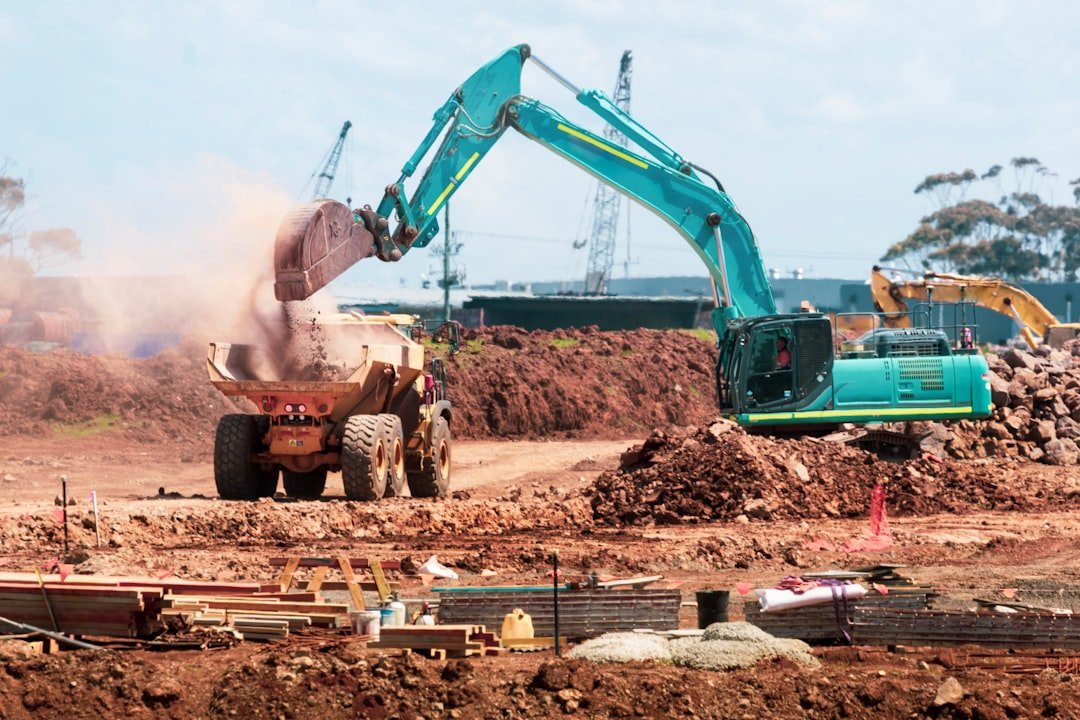
The company, which already runs autonomous haul trucks, drilling equipment, underground loaders and dozers across mining operations, is now extending that experience into construction and quarry sites, TechCrunch reports. Caterpillar has more than 1.6 million connected assets worldwide generating over 16 petabytes of structured data, which it's using to power tools like the Cat AI Assistant — a voice-commanded system that helps field technicians troubleshoot repairs — along with site scanning, digital twins for manufacturing analysis, and AI agents that modernize legacy code.
Jaime Mineart, Caterpillar's chief technology officer, told TechCrunch the company is entering "this super exciting time where we can take all of that learning from mining and bring it into much more dynamic environments." She also described the core challenge as less about the algorithms and more about deployment: "The hard part about autonomy and about physical AI is incorporating that technology into the customer jobsite."
The report frames this as part of a broader financial push — Caterpillar posted $20.5 billion in Q2 2026 revenue, an all-time high, with its power-generation division sales spiking 72% to $3.10 billion, driven in part by data center demand. CEO Joe Creed reportedly said "no one is slowing down" on cloud computing and generative AI infrastructure demand.
What this means for job seekers
Caterpillar's retraining bet is a useful real-world data point in the ongoing debate over whether AI destroys jobs or reshapes them. The company isn't hiring fewer people to run autonomous equipment — it's retraining the people it already has to supervise more of it. That's consistent with what's shown up across other industrial and logistics employers: the job that disappears is "operate one machine," and the job that replaces it is "oversee a fleet of machines, plus the AI managing them."
For job seekers, that points to a few concrete moves. First, treat "remote fleet or systems oversight" and "AI-assisted troubleshooting" as legitimate resume language if you've done anything resembling it — even informally. Second, when evaluating employers, ask directly about training investment and timelines rather than taking a vague "we're exploring AI" answer at face value; a five-year, dollar-figure commitment like Caterpillar's is a much stronger signal than a one-off workshop. Third, roles that sit at the intersection of physical operations and software — technicians, site supervisors, maintenance staff who can also read dashboards and flag anomalies — are proving more durable than either purely manual or purely digital roles in isolation.
The lesson from a 118,000-person retraining program isn't that AI spares industrial workers. It's that the employers investing seriously in reskilling, rather than quietly shrinking headcount, are the ones worth targeting in a tight job market.
Sources
Related Posts

AI + Careers Briefing — October 10, 2026

AI + Careers Briefing — October 9, 2026