Apple's OpenAI Suit Is a Warning for AI-Lab Job Switchers
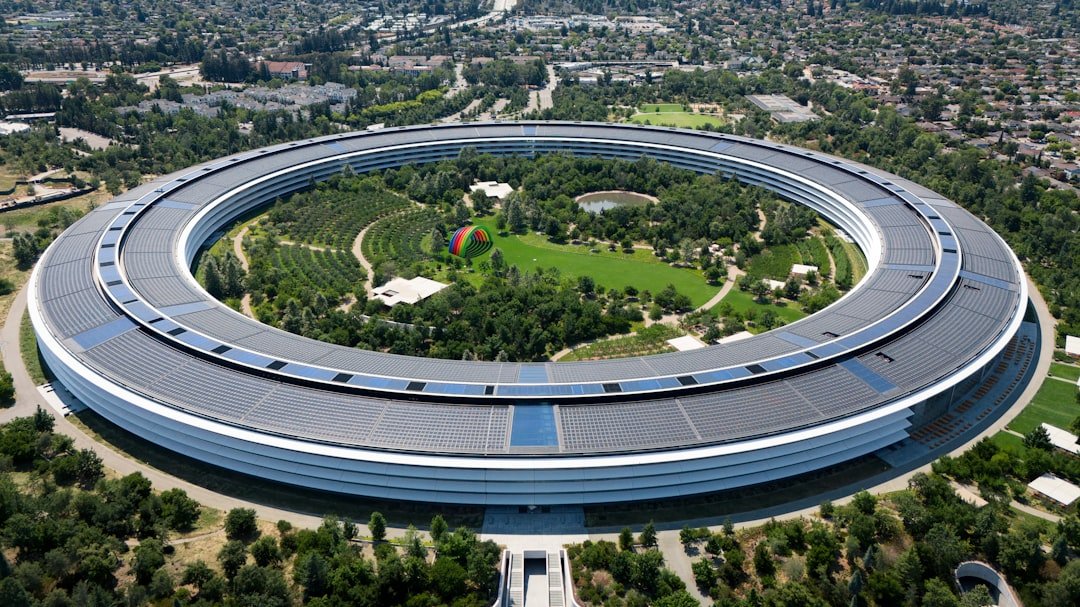
Apple widened its trade-secrets lawsuit against OpenAI on Monday, asking a federal judge in California for a preliminary injunction that would bar OpenAI from building AI hardware using Apple's confidential product information. According to TechCrunch's review of the filing, Apple's investigation has identified 11 more former Apple employees beyond the two already named as defendants, bringing the total number of ex-Apple staff named or referenced in the case to at least 13.
The two named defendants are Chang Liu, a former senior systems engineer, and Tang Yew Tan, who spent seven years as Apple's vice president of iPhone and Apple Watch product design before leaving in 2024 and is now OpenAI's chief hardware officer, according to Reuters. Both are accused, along with OpenAI, of misappropriating Apple's trade secrets to help build the company's push into consumer AI hardware.
Apple's filing describes specific incidents: one former employee took screenshots of confidential documents tied to an unannounced product before interviewing at OpenAI, and another met with Liu and a third named individual, Yu-Ting Peng, ahead of Peng's own OpenAI interview to discuss proprietary details about unreleased products, TechCrunch reported.
Apple also told the court that, since the suit was filed, several former employees now at OpenAI reached out to return company-issued devices they had kept after leaving, per TechCrunch. A hearing on the injunction is scheduled for Oct. 1, according to 9to5Mac. OpenAI has called the request baseless, saying in a public blog post that it does not have and does not want any of Apple's trade secrets.
What this means for job seekers
For engineers, designers, and hardware specialists weighing offers from AI labs building competing products, this case is a live map of what now gets litigated: a borrowed laptop, a pre-interview screenshot, or advice on how to leave cleanly. Whether the underlying claims hold up in court, the discovery process alone can pull personal devices, cloud accounts, and messages into scope for months. If you're navigating the AI hiring boom, treat anything touching a company account as off-limits the moment you schedule an interview, not just after you sign an offer.
The practical version: don't copy files, take screenshots, or save supplier contacts "just in case"; return company hardware and lose access to internal systems before your last day rather than after a subpoena asks for it back; and read your NDA, plus any non-compete or non-solicit clauses, before your first interview, not after HR calls with questions. None of that guarantees you'll stay out of a filing like this one. But in a market where AI labs are actively recruiting from their biggest rivals, it's the difference between being named as a witness and being named as a defendant.
Sources
Apple says more ex-employees may have taken confidential data to OpenAI — TechCrunch, accessed August 4, 2026
Apple seeks preliminary injunction against OpenAI in trade secrets case — Reuters (via Yahoo Finance), accessed August 4, 2026
Apple moves for preliminary injunction in OpenAI trade secrets lawsuit — 9to5Mac, accessed August 4, 2026
Tang Tan: The ex-Apple VP at the heart of OpenAI's IP trouble — AppleInsider, accessed August 4, 2026
Related Posts
SpaceX Now Earns More From AI Than Rocket Launches
Airtable's Fire-Sale Is a Red Flag for SaaS Unicorn Offers