EU AI Labels Law Opens New Career Lanes in Compliance
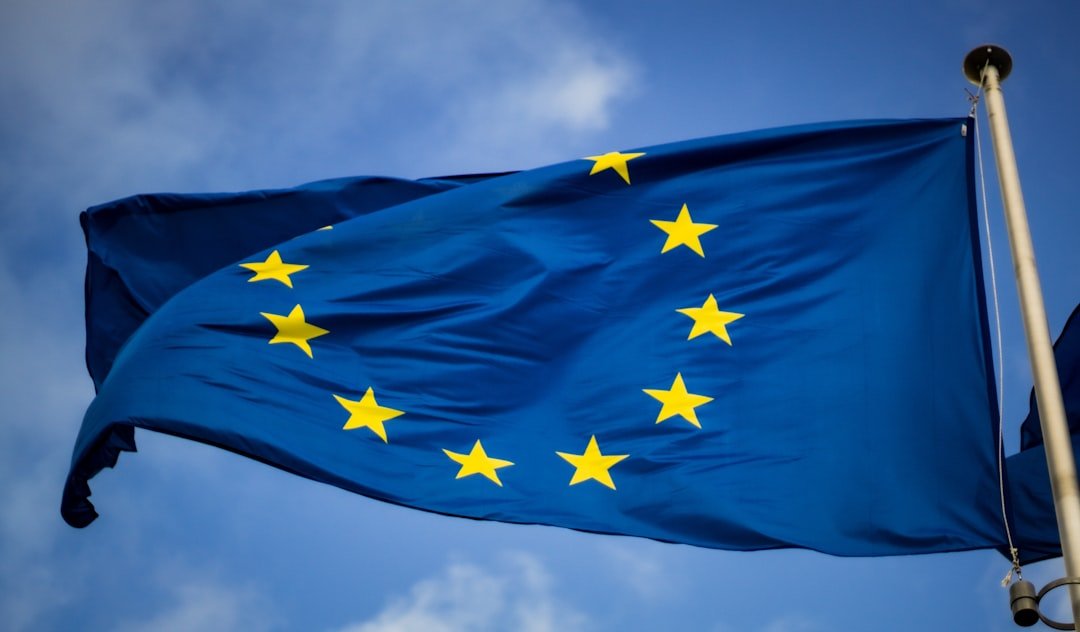
Starting today, August 2, the European Union's AI Act requires mandatory machine-readable labels on synthetic images, audio, video, and text designed to appear authentic. The rule applies to any organization worldwide whose AI-generated content reaches EU users — not just European companies. Fines for non-compliance can reach up to three percent of a company's global annual turnover or €15 million, whichever is higher.
Context
The law covers new AI systems deploying from today. Providers that already had systems on the market before August 2 have until December 2, 2026, to comply with the machine-readable marking requirements, according to the European Commission's Article 50 FAQ. The compliance obligations extend across four areas: notifying users when they interact with an AI system, embedding machine-readable markers in synthetic content, disclosing emotion recognition and biometric systems, and labeling deepfakes and AI-generated text on matters of public interest. Artistic, satirical, and fictional works are exempt, as is content created for personal use.
Sergey Lagodinsky, the EU parliament member who helped negotiate the AI Act, framed the law's purpose in terms that go beyond consumer protection: "It is a matter not only of customer protection, it's also a matter of democracy protection," he told Engadget. Critics have raised practical concerns about scope. Boniface de Champris, AI policy lead at the Computer and Communications Industry Association, warned that the labeling requirement will surface in industries where AI use is already widespread but largely invisible — naming advertising, film, and publishing as sectors where consumers may be surprised by new disclosures, according to Engadget's reporting. The organization argues the law's definition of "deepfakes" has expanded well beyond its original intent, potentially creating label fatigue rather than clarity.
About 190 organizations — including Anthropic, Google, Meta, and OpenAI — have signed the EU's voluntary code of practice, which allows signatories to demonstrate compliance across all 27 member states simultaneously rather than navigating each country's regulator, as Unite.AI reported.
What this means for job seekers
The August 2 deadline is less an end point than a starting gun for compliance buildout — and that buildout requires people. Advertising agencies, news publishers, film studios, and any brand running AI-generated creative at scale now need someone to own the disclosure workflow: mapping which outputs require labels, implementing watermarking tooling, auditing vendor contracts for compliance responsibilities, and updating user-facing interfaces. That work is landing on compliance, legal, and marketing operations teams simultaneously.
For job seekers, the practical opportunity is clearest at the intersection of AI fluency and governance. Roles being discussed across the industry — including AI compliance officers, AI governance specialists, and content operations managers with disclosure expertise — are not limited to legal departments. Content strategists who understand both the creative pipeline and the regulatory boundary are newly valuable to any team producing synthetic assets for EU audiences. UX designers who can embed disclosure into product flows without degrading the experience are similarly in demand.
If you are already building your job search strategy in the AI era, the EU's labeling mandate is a concrete signal about where compliance-adjacent skills are heading. Organizations that move early to build internal expertise will have a structural advantage as similar laws advance in other jurisdictions — the EU's move comes as other governments consider their own AI transparency rules.
Sources
EU Will Mandate Labels on Authentic-Looking AI Content Starting August 2 — Engadget, accessed 2026-08-01
Transparency Obligations Under Article 50 of the AI Act — European Commission, accessed 2026-08-01
AI Content Labels Become Mandatory Under EU Law — Unite.AI, accessed 2026-08-01
Related Posts

AI + Careers Briefing — October 13, 2026

AI + Careers Briefing — October 12, 2026