AI Interviewers Are Here: What Video Hiring Means for Candidates
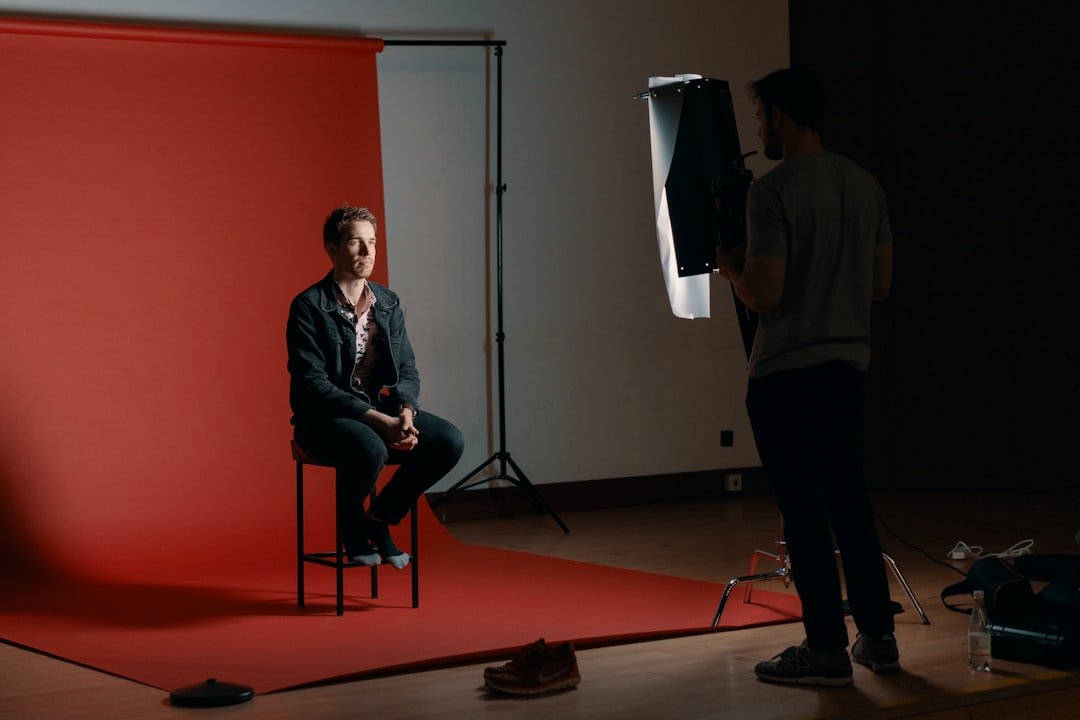
Stockholm-based Fika Jobs closed a $4 million pre-seed round on June 23, backed by Luminar Ventures alongside Alliance VC and King co-founders Sebastian Knutsson and Riccardo Zacconi. The startup, run by brothers Jakob Dubois (CEO) and Alexander Dubois (CTO), is building what it calls a "LinkedIn-meets-TikTok" hiring platform where an AI agent — powered by Google's Gemini models — conducts an approximately 10-minute video interview with each candidate, then auto-assembles the answers into a short-form video profile that lives on the platform.
Rather than applying to each job separately, candidates maintain a single live profile. Employers browse those profiles and pay 10 percent of a successful hire's first-year salary — about half the 20 to 30 percent typically charged by traditional recruiting agencies, according to TechCrunch's reporting. Job seekers use the platform for free. More than 50 companies — including Plenty Labs, SICS.ai, Kognity, and Rebtel — have tested early versions, with over 100 more on the waitlist.
The round puts fresh capital behind a format several hiring platforms have experimented with over the past few years, but Fika Jobs is betting that combining an AI-generated question set (personalized from a linked LinkedIn profile) with the short-video UX that candidates already use on social apps will drive adoption on both sides. CEO Jakob Dubois told TechCrunch the idea grew from his own recruiting experience: nearly passing on a strong hire because a resume failed to capture the person.
What this means for job seekers
The immediate shift is practical: if an employer uses a platform like Fika Jobs, your first "interview" may happen asynchronously, with no human on the other side. That changes how you should prepare. Reviewing how to structure tight, clear answers under time pressure — much of the same discipline covered in our guide to technical interview prep — applies here, but without the ability to read a human interviewer's reactions or ask clarifying questions in real time. Recording a short practice run before your actual session is not optional; it is how you catch the filler words and framing issues that feel invisible in the moment.
The harder issue is bias. TechCrunch flags what researchers have long documented: video reveals race, apparent age, gender presentation, and accent in ways that a text resume does not. A recruiter reviewing a wall of video profiles may form snap judgments on characteristics that are legally protected and professionally irrelevant. Fika Jobs says it anonymizes demographic attributes during the matching stage, according to Tech.eu's coverage — a design choice that, if implemented consistently, could partially address that risk. The company has not publicly disclosed the full scope of those controls, so candidates have a legitimate reason to ask which stage anonymization applies to before they record.
The platform's "always-on profile" model also raises a durability question. A live video profile is not a static document — it is a persistent representation of you that can be viewed repeatedly by companies you never explicitly applied to. Understanding the data retention and access policies of any video-hiring platform before you record is now a standard part of protecting your job search.
Sources
Fika Jobs raises $4M to build a video-first hiring platform where AI agents interview candidates — TechCrunch, accessed 2026-06-24
Fika Jobs raises $4M for AI-powered video resumes — Tech.eu, accessed 2026-06-24
Related Posts

AI + Careers Briefing — October 16, 2026
AI + Careers Briefing — October 15, 2026