
Scorsese's AI turn shows craft workers a survival map
Martin Scorsese, one of Hollywood's most decorated directors, signed on as a partner and adviser to Black Forest Labs, an AI image-generation startup, the move first reported by The New York Times on June 2, 2026. The endorsement is notable precisely because Scorsese has long been a skeptic of technology's reach into filmmaking — and because his use of the tools is deliberately narrow.
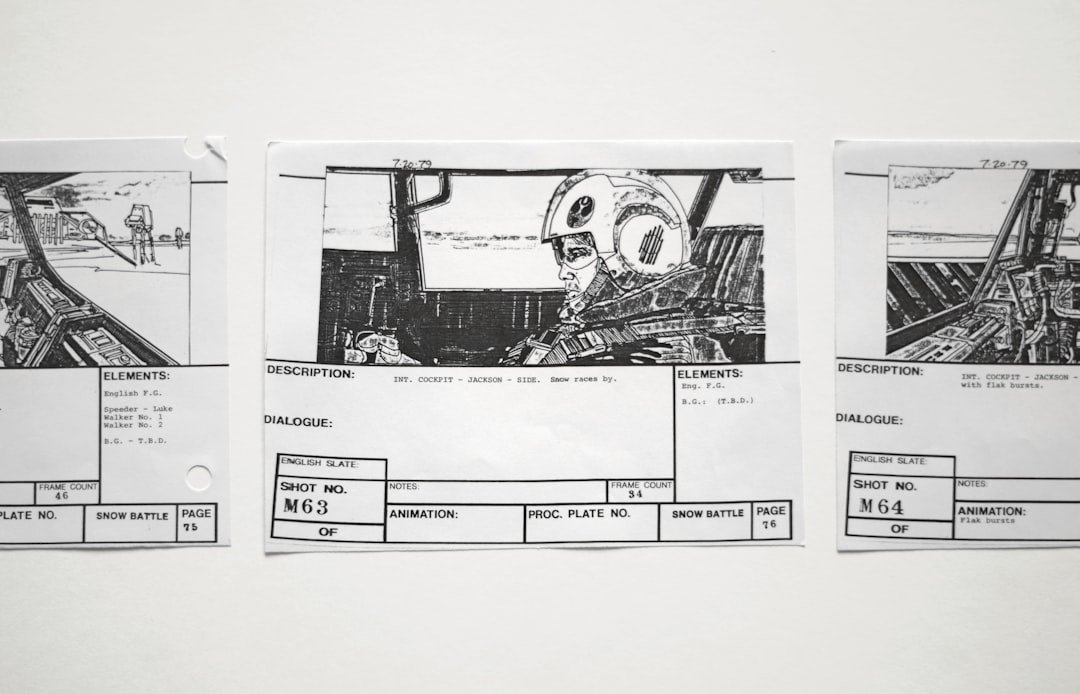
Scorsese is using the company's image generation exclusively for storyboarding. "For 70 years, I've been creating my own storyboards," he said in a statement to the Times, adding that the tool helps him communicate his vision to cinematographers and production designers faster and more efficiently.
Black Forest Labs is a 70-person company based in Freiburg, Germany, valued at $3.25 billion, according to TechCrunch's reporting. It was founded by the team behind Stable Diffusion and now powers image features inside products from Adobe, Canva, Microsoft and Meta. The startup previously declined a deeper partnership with Elon Musk's xAI after an earlier collaboration on Grok's image generator ended over content-safeguard concerns. Scorsese's talent manager, Rick Yorn, co-founded BroadLight Capital, one of the startup's investors.
The partnership's limited scope is the point. In an industry that has resisted generative AI — protective of jobs in art departments, animation and post-production — a director of Scorsese's stature publicly framing the technology as a craft assistant rather than a replacement marks a measurable shift in tone.
What this means for job seekers
The instructive part of Scorsese's move is not that he adopted AI. It is how he adopted it. He did not hand the tool his vision; he used it to transmit a vision he already owned, built over seven decades. The storyboard still reflects his eye, his pacing and his judgment. The AI just rendered it faster.
That distinction is the survival map for any creative or knowledge worker watching these tools arrive in their field. The durable value sits in the parts AI cannot supply: taste, framing, the decision about what a thing should be and why. Reviewing how this story is landing, we see the workers most exposed are those who treated execution speed as their whole value proposition — and the ones best positioned are those who own the judgment layer and treat AI as the rendering engine beneath it. Our read is that the safest career posture in 2026 is fluency plus authorship: learn the tools well enough to direct them, but anchor your worth in the AI-proof skills a model still can't replicate.
Practically, that means getting hands-on rather than waiting. The job seekers who can say "here's how I use AI to do this work better" will read very differently to hiring managers than those who can only say they're aware of it. If your field is shifting under you, building that fluency now is part of searching effectively in the AI era — and a far stronger position than hoping the tools pass you by.
Sources
Martin Scorsese becomes the latest — and most unlikely — Hollywood voice for AI — TechCrunch (accessed 2026-06-03)
Related Posts

AI + Careers Briefing — October 16, 2026

AI + Careers Briefing — October 15, 2026