
OSHA Filings Reveal Injury Toll for Robotaxi Safety Drivers
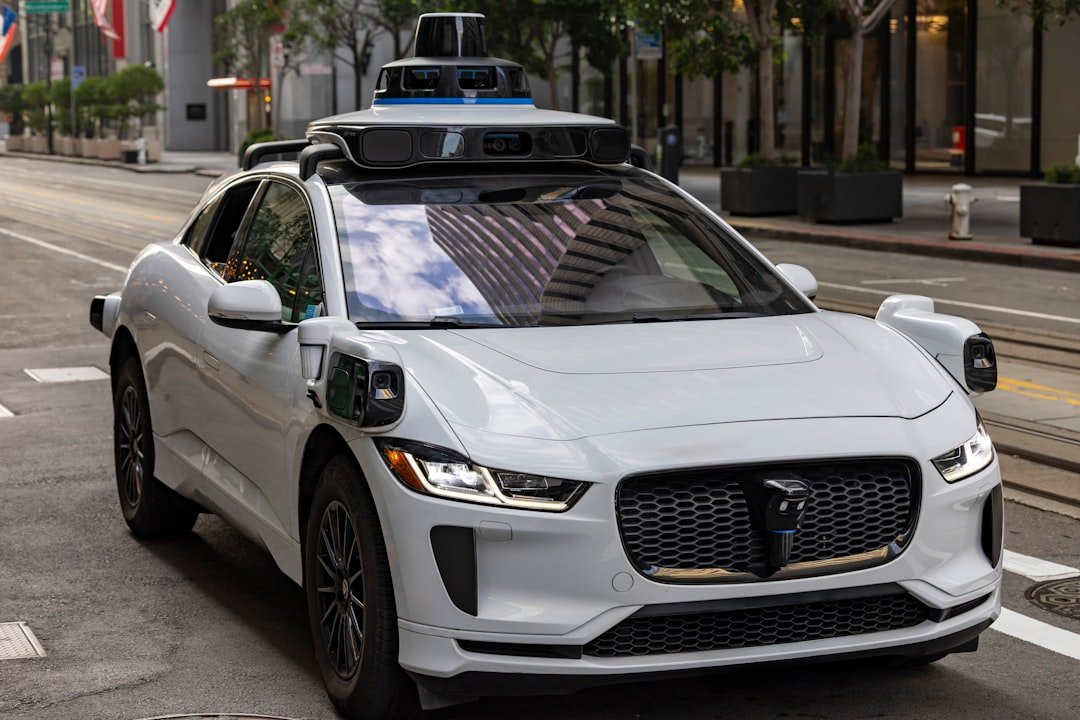
A new investigation shows that autonomous-vehicle test driving comes with a physical risk that rarely shows up in the job posting: getting hurt by the very car you're supervising.
OSHA filings reviewed by TechCrunch show that Waymo and Zoox test drivers sustained more than two dozen injuries during 2024 and 2025. The injuries included whiplash and other harm caused by hard braking and abrupt, unexpected vehicle movements — the kind of sudden stops or lurches that can happen when a self-driving system reacts unpredictably to traffic. TechCrunch reported that some of the affected workers were sidelined for months afterward.
The count comes from data the companies were required to submit to OSHA, and TechCrunch noted the picture is likely incomplete: it's likely that test drivers at other AV developers are also getting injured, but those companies may be exempt from OSHA's reporting requirements. That makes it hard for job seekers to compare safety records across employers in the sector — the data that does exist covers only a subset of the industry.
Under OSHA's recordkeeping rules, many employers with more than 10 employees must log recordable work-related injuries and illnesses, though certain industries are partially exempted from that requirement. All employers, regardless of size, must still report a death, in-patient hospitalization, amputation, or loss of an eye within hours of the incident. That two-tier system is part of why injury data for AV test drivers can look uneven from one company to the next — a clean public record may reflect strong safety practices, or it may simply reflect a company that isn't required to disclose as much.
What this means for job seekers
If you're considering a safety-driver, test-operator, or fleet-support role at an AV company, treat it like any other physically demanding job and ask questions before you sign on. Find out how the company classifies injury reporting — whether it discloses OSHA logs, and whether you'd be an employee or a contractor, since that status affects workers' comp eligibility and paid recovery time. Ask what happens if you're sidelined by an injury: is pay continued, is there a return-to-work plan, and does the company offer light-duty assignments while you heal.
It's also worth asking about career mobility. If safety-driver work is positioned as an entry point, ask what internal paths exist into fleet operations, dispatch, or other roles that get you out of the driver's seat over time. And because not every AV developer is required to report injuries the same way, don't assume a clean public safety record means a company has no injuries — it may simply mean the company falls outside OSHA's reporting requirements. When comparing offers, treat injury-reporting transparency as a legitimate part of your due diligence, the same way you'd ask about benefits or schedule.
Job seekers weighing a safety-driver role should go in with eyes open about what "hard braking" actually means for the person behind the wheel — and about how much of the industry's safety record even shows up in public data.
Sources
Related Posts

AI + Careers Briefing — October 10, 2026

AI + Careers Briefing — October 9, 2026