Ford's AI quality gap put veteran engineers back in demand
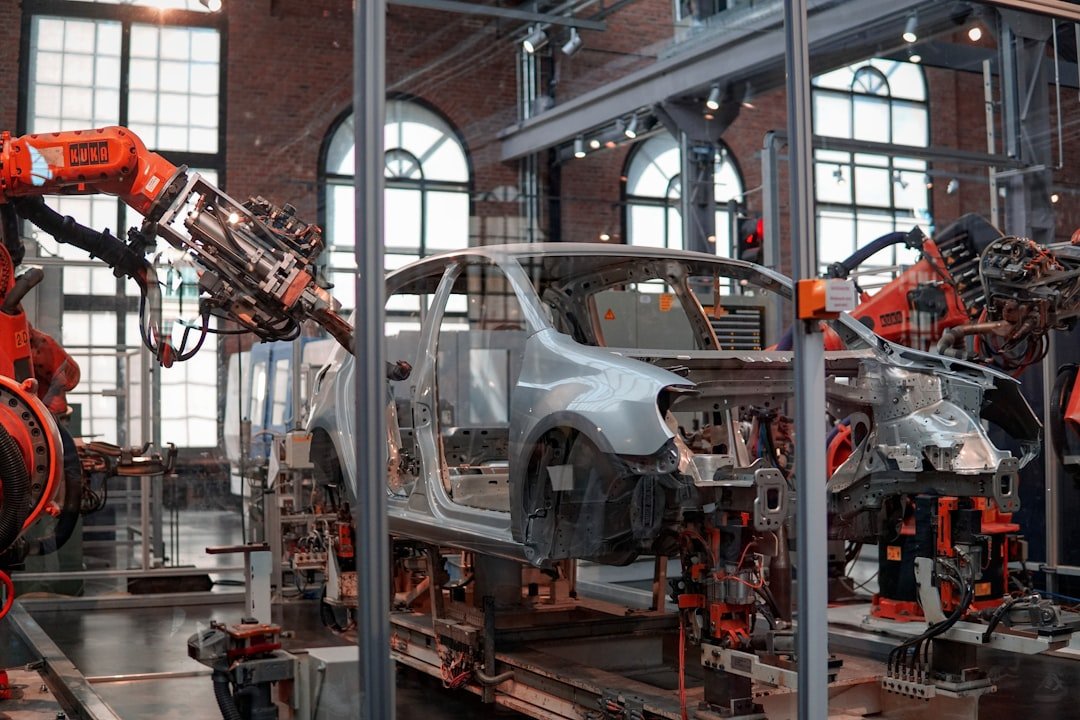
Ford Motor Company has rehired 350 veteran engineers — internally nicknamed "gray beards" — after the automaker found that automated quality systems could not replace the judgment those workers carried. The move, reported by TechCrunch on June 28, is among the clearest corporate admissions yet that assuming AI alone would deliver production quality was a miscalculation.
Charles Poon, Ford's Vice President of Vehicle Hardware Engineering, put it plainly in the company's own words: "Mistakenly we thought that by just introducing artificial intelligence and ingesting the design requirements that we had, that that would produce a high-quality product." Chief Operating Officer Kumar Galhotra told reporters the company had been "relying more and more on automated quality systems" — and the results were disappointing.
What happened and what it cost Ford
Ford did not disclose exact figures on quality failures attributable to the AI-only period, but executives described the impact in financial terms. CEO Jim Farley pointed to savings now reaching into the hundreds of millions of dollars, recovered through reduced warranty and recall costs that the company linked to the quality gap that existed before the veterans returned.
The 350 rehired engineers now focus on hunting for failure points before a part reaches the plant floor, training junior staff, and reprogramming the AI tools themselves. In other words, they are not competing with automation; they are correcting it, teaching it, and operating as the oversight layer that the system lacked. The results are measurable: according to The Next Web's analysis of the JD Power 2026 initial quality study, Ford topped mainstream brands for the first time in 16 years, scoring 152 problems per 100 vehicles.
What this means for job seekers
The Ford case is a concrete data point for anyone navigating a job market where "AI will replace you" has become ambient noise. Reviewing this story, we found the pattern worth naming clearly: Ford's reversal was not about nostalgia for the pre-AI era. It was a business decision. The experienced engineers returned because they carry knowledge that is difficult to encode — edge-case intuition, cross-system judgment, the ability to anticipate failure modes that training data has not yet seen.
For job seekers, especially those mid-career or beyond, this reframes the pitch. The goal is not to out-code an AI system or position yourself as resistant to automation. It is to make the case that you are the human layer that makes the AI functional. The veterans Ford rehired are doing exactly that: catching what the model misses, and improving the model so it misses less next time. That role — part subject-matter expert, part AI trainer, part quality auditor — is increasingly what employers are willing to pay premium rates to fill.
Our research suggests the demand signal is broader than one automaker. The skills that are hardest to train into a model are the same skills that appear in senior job descriptions: contextual judgment, mentorship, cross-functional communication, and the ability to recognize when a technically correct output is operationally wrong. If you have those skills and have been treating them as background experience rather than lead qualifications, the Ford story is a reason to move them to the top of your resume. For a deeper look at positioning yourself in a hiring market shaped by AI tools, see our guide to navigating the job search in the AI era.
Sources
Ford rehires 'gray beard' engineers after AI falls short — TechCrunch, accessed 2026-06-29
Ford rehired 350 engineers to fix what its AI systems got wrong — The Next Web, accessed 2026-06-29
Related Posts
AI + Careers Briefing — October 13, 2026
AI + Careers Briefing — October 12, 2026