Google's Search Grip Loosens — What It Costs Marketing Careers
For decades, understanding Google was the foundational skill of digital marketing. Alphabet's Q1 2026 earnings report tells two stories at once — Google Search revenue up 19% year over year while the open-web ad network that pays publishers fell 4% — and business press has begun covering the split as a signal that Google's broader dominance is under structural pressure. For the careers built on that dominance — SEO, content marketing, affiliate, and paid search — the shift has real consequences.
The numbers in Alphabet's Q1 2026 earnings tell two stories at once. On one hand, Google Search and Other advertising revenue rose 19% year over year to $60.4 billion, and CEO Sundar Pichai said queries are "at an all-time high" driven by AI Mode and AI Overviews. On the other hand, Google Network advertising revenue fell 4% year over year to $6.97 billion — the segment that flows revenue to the open web through AdSense and Ad Manager. Google is growing; the web publishers sitting below it are not.
The reason is structural. AI Overviews now reach more than two billion monthly users and answer many queries directly on the results page. Research cited by PPC.land found that AI Overviews correlated with a 58% reduction in click-through rates for top-ranking pages as of December 2025. Separately, Datos clickstream data shows 58.5% of U.S. searches already end without any click to an external website — a rate that has climbed every year since 2020. The query happens; the click does not. That click is where most content, SEO, and affiliate revenue models begin.
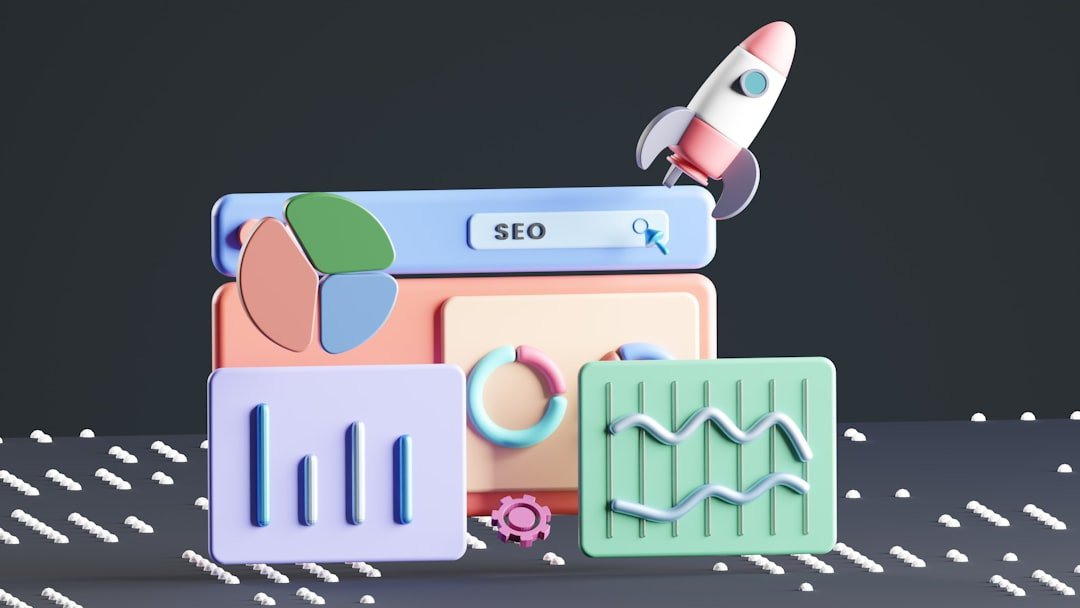
Gartner projected as far back as 2024 that traditional search volume would decline 25% by 2026 as users migrate to AI-powered platforms — a forecast Search Engine Land notes has driven GEO (generative engine optimization) into enterprise marketing plans. GEO reframes the job: rather than ranking among 10 blue links, content must earn a citation from an AI model that typically surfaces only two to seven sources per response. The optimization target has changed from a keyword position to a citation slot.
What this means for job seekers
The headline risk is real but unevenly distributed. Roles built almost entirely on keyword rankings — traditional SEO writing, thin affiliate content, manual link-building — face the steepest pressure as click-through rates compress and AI-generated summaries answer informational queries before users reach any site.
The growth opportunity is in the skills that sit one layer above. GEO, first-party audience building (email lists, owned communities), structured data implementation, and content designed to be cited rather than just ranked are emerging as hireable differentiators. Search Engine Land's 2026 guide identifies AI crawlers — GPTBot, ClaudeBot, PerplexityBot — as a new technical SEO frontier: professionals who know how to make content visible to those crawlers are solving a problem most hiring teams have not yet cracked.
For job seekers reviewing their positioning, our earlier look at navigating the job search in the AI era outlines how to frame an evolving skill set on a resume without overstating what are still emerging competencies. The practical move right now is to treat GEO literacy as a supplementary credential — not a complete career reinvention — and to document any first-party audience or structured-data work already done. Employers in content marketing and organic growth are increasingly asking candidates to explain how their work performs inside AI-mediated search, not just traditional rankings. The question is worth preparing an answer for.
Sources
Alphabet Q1 2026 Earnings — CEO Message — Google Blog, accessed 2026-06-24
Alphabet Q1 2026: Google Network Ad Revenue Falls 4% as AI Reshapes the Web — PPC.land, accessed 2026-06-24
50+ Zero Click Search Statistics for 2026 — ClickVision, accessed 2026-06-24
Mastering Generative Engine Optimization in 2026: Full Guide — Search Engine Land, accessed 2026-06-24
Google's Online Dominance Is Showing Signs of Cracking in AI Era — CNBC Technology, accessed 2026-06-24
Related Posts
AI + Careers Briefing — October 13, 2026

AI + Careers Briefing — October 12, 2026