Theker's $85M bet on do-anything robots reshapes floor work
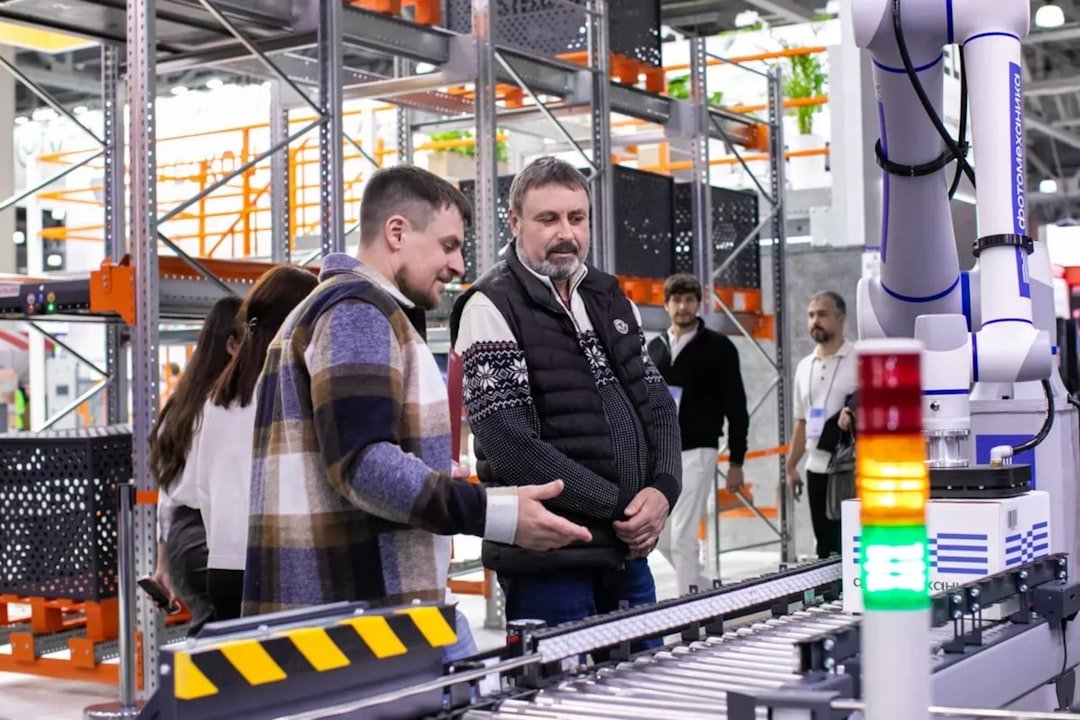
Theker, a Barcelona-based robotics startup, raised $85 million in a Series A round announced June 11, with the company and reporting outlets describing it as the largest robotics Series A ever raised in Europe. The round was led by U.S. firm CRV, with backing from Samsung and LVMH's investment vehicle, according to TechCrunch.
Co-founded by Carla Gómez Cano and engineer Jiaqiang Ye Zhu, Theker builds general-purpose factory robots whose hands, arms and overall form can be reconfigured for different jobs rather than bolted into a single task. The pitch is that one machine can sort packages, pack clothing, and handle bottles and cans — the variable, low-structure manual work that has long resisted automation.
That flexibility is the whole point. Traditional industrial robots are, as Tech.eu put it, rigid, task-specific and costly to reconfigure, which is why so much warehouse and light-manufacturing labor stayed human. "If you always have to put the same cookie in the same box, that works perfectly, but most processes aren't like that," Gómez Cano told TechCrunch. Theker says its robots adapt in real time without manual reprogramming, and The Next Web reports the company is selling them explicitly as a way to increase throughput, reduce downtime, and address persistent labour shortages across manufacturing, logistics and retail. The robots are already running inside live production facilities for early backer Inditex, Zara's parent company.
What this means for job seekers
When automation could only handle repetitive, perfectly structured tasks, the unpredictable floor jobs — picking, sorting, packing variable items — were relatively safe. A fast-deploying robot that handles variability changes that math, and Theker is one of several well-funded companies racing into the gap. For workers in logistics, warehousing and light manufacturing, the realistic move is not to compete with the machines but to step into the roles that grow as floor headcount shrinks: robot supervision, maintenance and repair, fleet operations, and exception-handling — the human judgment calls a robot kicks up when it gets stuck.
Those adjacent roles reward a mix of hands-on mechanical comfort and basic systems fluency, and many are reachable without a four-year degree. A warehouse associate who learns to monitor a robot cell, read its error states, and handle the edge cases it can't is positioning for a higher-paid, harder-to-automate job. "Works alongside automation" is quietly becoming the entry-level baseline, so it pays to treat that as a skill to build, not a threat to dread. If you're mapping a move, our guide on how to choose a career path can help you weigh which adjacent track fits, and how to job search in the AI era covers how to surface these emerging roles before they show up in standard listings. The factory floor isn't emptying — it's changing who it hires, and what it hires them to do.
Sources
Theker just raised $85M to build the factory robot that doesn't specialize in anything — TechCrunch, accessed 2026-06-12
Barcelona's THEKER raises €73M to deploy AI-native factory robots that learn on the job — The Next Web, accessed 2026-06-12
Barcelona-based AI robotics outfit Theker raises $85M — Tech.eu, accessed 2026-06-12
Related Posts
AI + Careers Briefing — October 13, 2026

AI + Careers Briefing — October 12, 2026